The Flavors of Heritage: Exploring Litvak Jewish Culinary Traditions in Vilnius
 nikita.salov@seowriting.ai
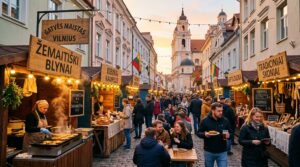
For centuries, Vilnius was known as the "Jerusalem of the North"—a thriving center of Jewish scholarship, culture, and life. While much of this world was tragically lost, its culinary heartbeat still pulses through the streets of the Old Town. From the humble bagel to the festive challah, the flavors of Litvak (Lithuanian Jewish) heritage are making a vibrant comeback, reminding us that the story of Vilnius gastronomy is incomplete without its Jewish chapters.
The Humble Beigelis: A Vilnius Original

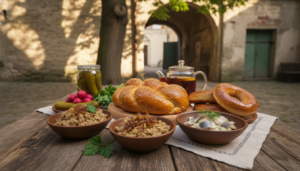
While the world often associates bagels with New York or Montreal, their roots are firmly planted in the soil of the Polish-Lithuanian Commonwealth. In Vilnius, the beigelis was more than just bread—it was a staple of daily life. Traditional Litvak bagels are distinct: they are hand-rolled, boiled in honey-water for a subtle sweetness, and then baked to a perfect chewy golden-brown. Topped with poppy seeds or sesame, they were sold by street vendors and enjoyed by all, regardless of faith.
Today, spots like the Beigeliai Krautuvėlė (Bagel Shop) on Pylimo Street have revived these traditional techniques. Walking inside is like stepping back in time; the aroma of fresh dough and the sight of stacks of circular bread evoke a Vilnius that was once the "Beigelis Capital" of the region. It’s a taste of resilience that continues to nourish the city’s modern food scene.
Challah: The Bread of Celebration
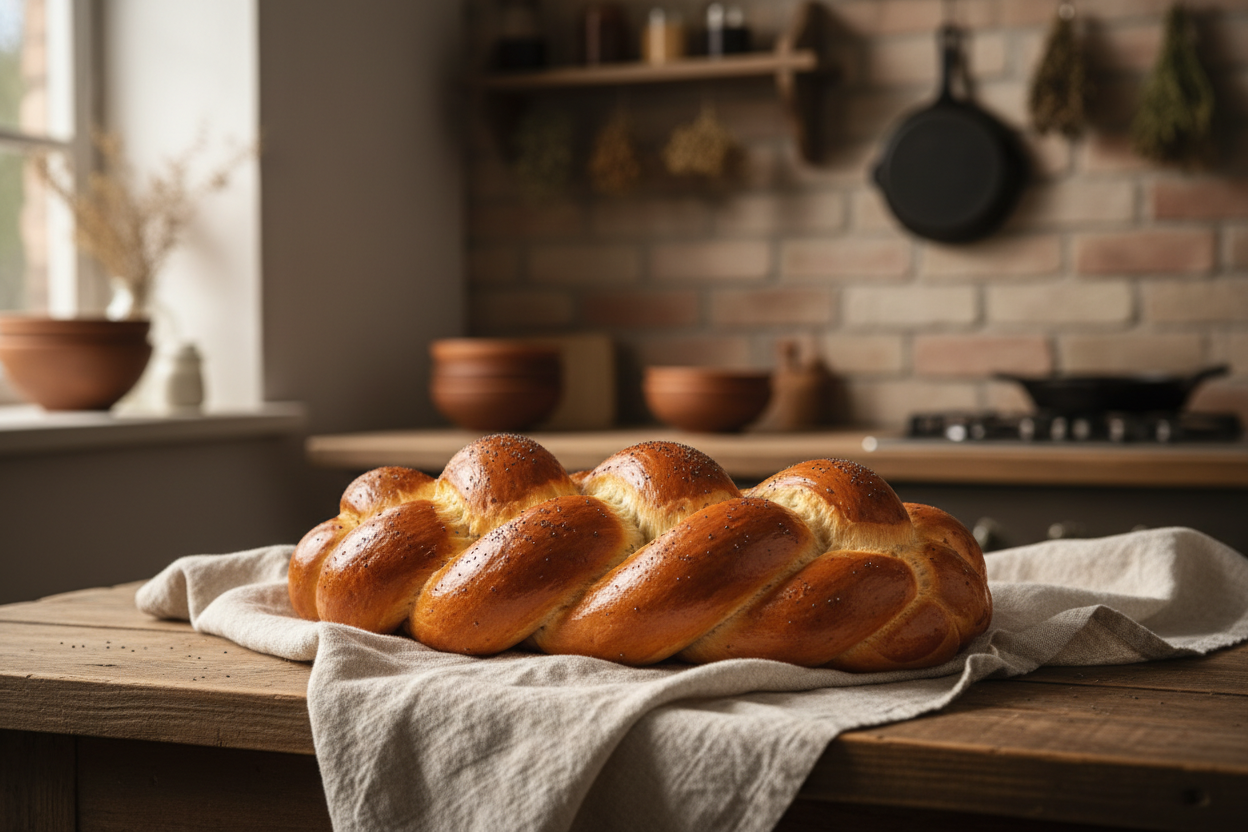
If the bagel represents the everyday, the challah represents the sacred. This braided, egg-enriched bread is a cornerstone of the Jewish Sabbath and holidays. In the Jewish homes of Vilnius, the braiding of the challah was a ritual of its own, with different shapes symbolizing various blessings and seasons. The Litvak version is often slightly less sweet than its southern counterparts, emphasizing the rich, buttery texture of the dough.
The legacy of the challah lives on in the techniques used by many of Vilnius's contemporary bakeries. Even in secular contexts, the braiding of bread and the use of enriched doughs echo the skills passed down through generations of Litvak bakers. To tear into a warm, fluffy slice of challah today is to connect with a tradition of hospitality that has always defined the Lithuanian table.
Reviving the Spirit of the Jewish Cafe
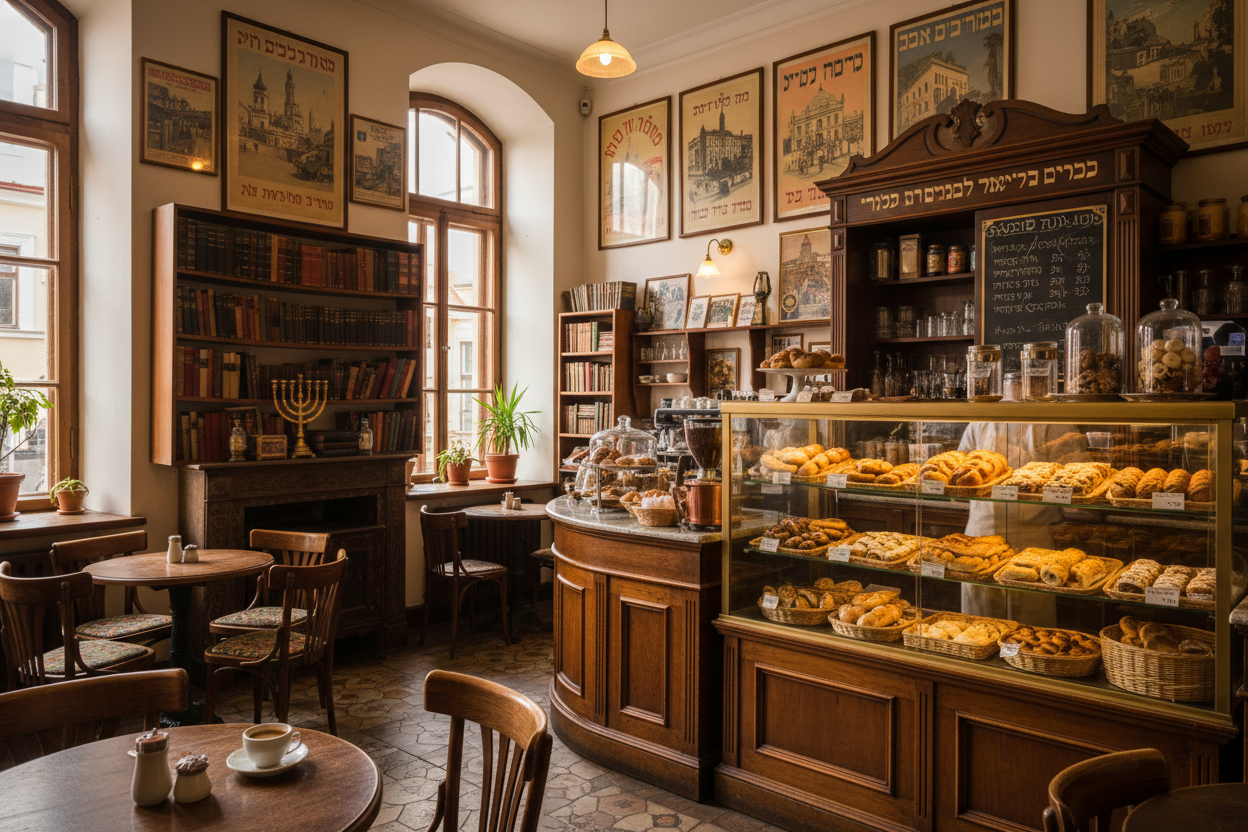
Historically, the Jewish cafes of Vilnius were not just places to eat; they were intellectual hubs where poets, philosophers, and neighbors gathered over glasses of tea and plates of teiglach (honey-drenched dough balls) or lekach (honey cake). These spaces were the social glue of the community, fostering a culture of conversation that is currently being rediscovered by the city's youth.
The revival of Jewish culinary heritage in Vilnius isn't just about food—it's about atmosphere. It's about creating spaces where people can slow down, share stories, and acknowledge the multicultural layers of the city. Whether it's a bowl of traditional chicken soup or a plate of chopped liver served with dark rye, these dishes are bridges to a past that is being carefully, lovingly brought into the present.
How to Experience Litvak Flavors Today
- Visit the Beigeliai Krautuvėlė: The primary hub for authentic bagels and Litvak pastries in the city.
- Look for "Litvak Style" on menus: Many modern Lithuanian restaurants are reintroducing traditional Jewish appetizers like herring with apples or stuffed fish (gefilte fish).
- Explore the Old Town's Jewish Quarter: Walk through Gaono and Stiklių streets to imagine the bustling markets and bakeries that once defined this area.
- Attend Food Festivals: Keep an eye out for heritage festivals where local chefs demonstrate the art of traditional Jewish baking.
Vilnius gastronomy is a tapestry woven from many threads, and the Litvak thread is one of the most vibrant. By exploring these flavors, we don't just fill our stomachs; we honor a history that continues to shape the soul of the Jerusalem of the North. Next time you see a stack of beigeliai, take a moment to savor the story they tell.