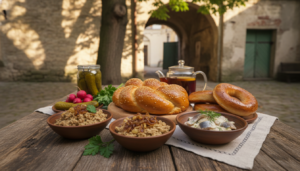
Street Food in Vilnius: A Guide to the City's Most Delicious Bites
 nikita.salov@seowriting.ai
Vilnius may be best known for its stunning baroque architecture and medieval old town, but beneath those cobblestone streets lies one of Eastern Europe's most exciting and underrated street food scenes. From sizzling market stalls to buzzing outdoor festivals, the city's street food culture is a love letter to Lithuanian heritage — bold, honest, and deeply satisfying.
The Soul of Vilnius on a Plate
Street food in Vilnius is far more than a quick bite — it's a communal experience rooted in centuries of Lithuanian culinary tradition. Walk through the Halės Market on any weekend morning and you'll find elderly vendors selling homemade black bread alongside young entrepreneurs hawking fusion wraps with kimchi and smoked duck. The old and the new coexist beautifully here, making every visit feel like a culinary adventure.
The secret to Vilnius street food lies in its ingredients. Lithuania's fertile land and lush forests produce some of the finest dairy, grains, and foraged goods in the region. Street cooks take enormous pride in sourcing locally — you'll often see hand-written chalkboards listing the name of the farm where the cheese or smoked sausage comes from. That transparency, that connection to the land, is what makes the food taste so extraordinary.
Cepelinai: The King of Lithuanian Street Food
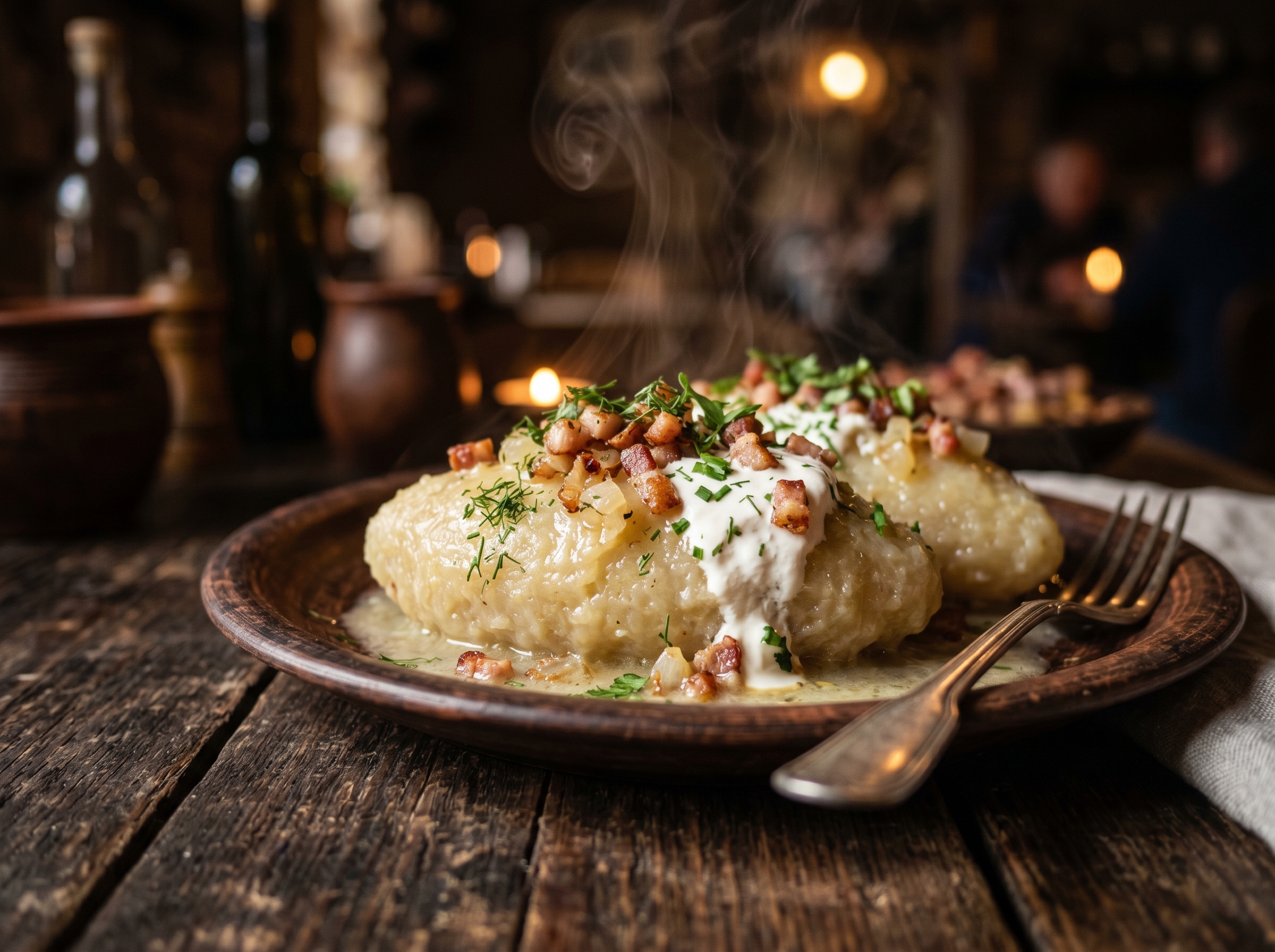
No discussion of Vilnius street food would be complete without cepelinai. Named after the zeppelin airships they resemble, these hefty potato dumplings stuffed with seasoned minced meat are Lithuania's most iconic dish — and when you find a great street vendor serving them fresh from a steaming pot, topped with a generous dollop of sour cream and crispy fried bacon, you'll understand why locals are so fiercely proud of them.
The best cepelinai in the city can be found at informal spots tucked inside Halės Market, where grandmotherly vendors have been perfecting the recipe for decades. Each dumpling is a feat of hand-crafted precision: the potato dough must be just thin enough to be delicate yet thick enough to hold together when lifted. Getting it right takes years of practice — and a lot of love.
Beyond cepelinai, look out for kibinai — flaky pastry pockets filled with lamb and onion, a beloved snack introduced by the Karaite people who settled in the region centuries ago. Then there's šaltibarščiai, the eye-catching cold beet soup served in a cup — vibrant pink and surprisingly refreshing on a warm spring day. Vilnius street food tells the full story of Lithuania's rich, multicultural past.
Markets, Squares, and Hidden Courtyards
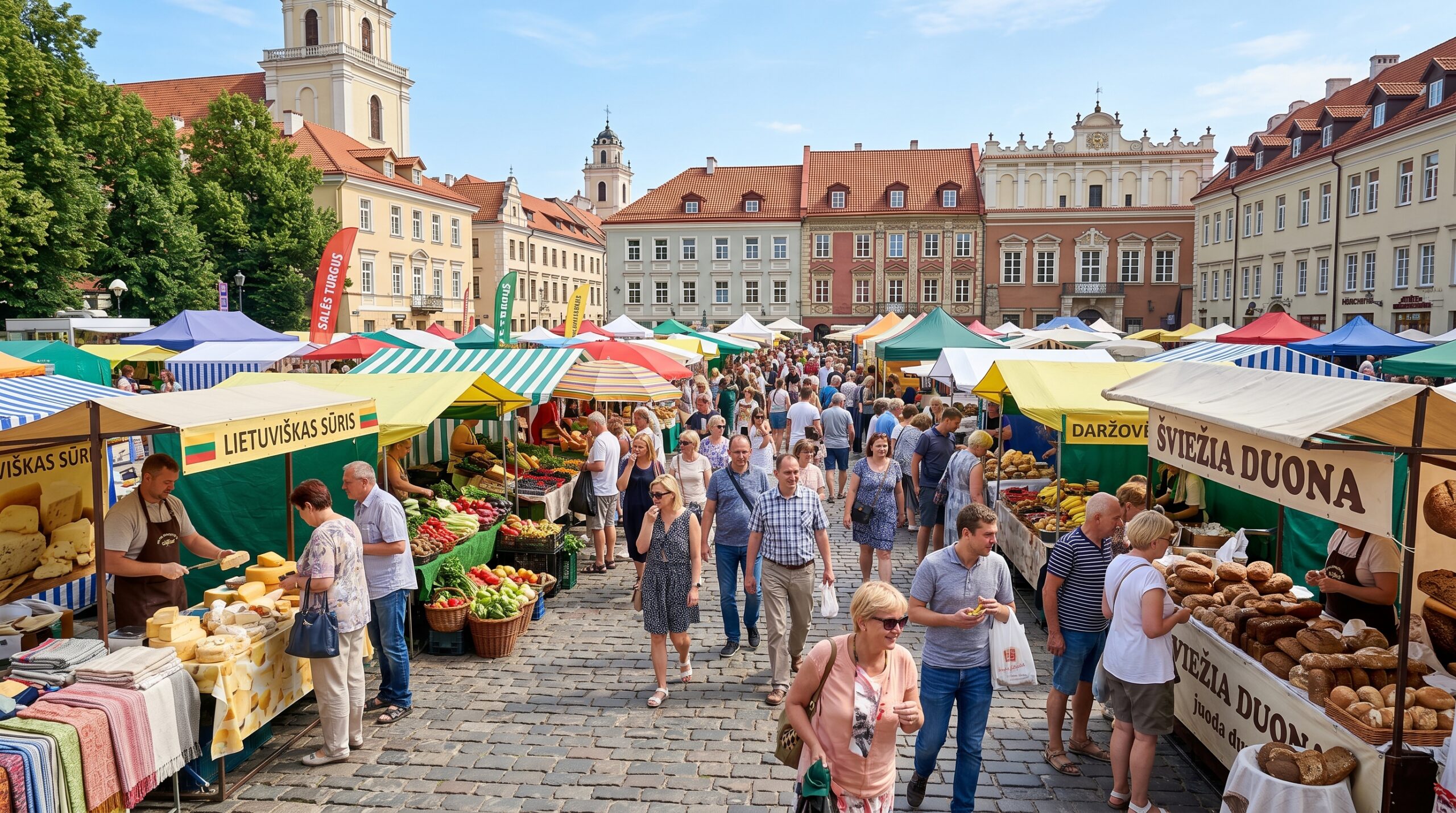
Vilnius comes alive in the warmer months, and nowhere is this more evident than at its outdoor food markets. The most beloved gathering point is Rotušės aikštė (Town Hall Square), which transforms into a sprawling gourmet market during festivals and seasonal celebrations. Dozens of vendors set up stalls offering everything from artisan honey and cold-pressed rapeseed oil to freshly grilled sausages and regional cheeses aged in cellars just outside the city.
Equally captivating is the weekend market at Bernardinų Garden, nestled beside the picturesque Church of St. Anne. Here, food and culture merge seamlessly — local musicians serenade visitors while vendors offer smoked meats, organic vegetables, and freshly baked rye bread still warm from the oven. It's the kind of place where you sit down for a coffee and find yourself still there two hours later, reluctant to leave.
For the more adventurous eater, Vilnius's hidden courtyards — or kiemas — offer some of the most delightful surprises. Venture off Pilies Street and you'll discover pop-up food stalls tucked behind arched gates, serving everything from Georgian khachapuri to Japanese-Lithuanian fusion bao buns. The city's food scene is restlessly creative, and these hidden spots are where chefs take their boldest risks.
Craft Beer and Street Food: A Perfect Union
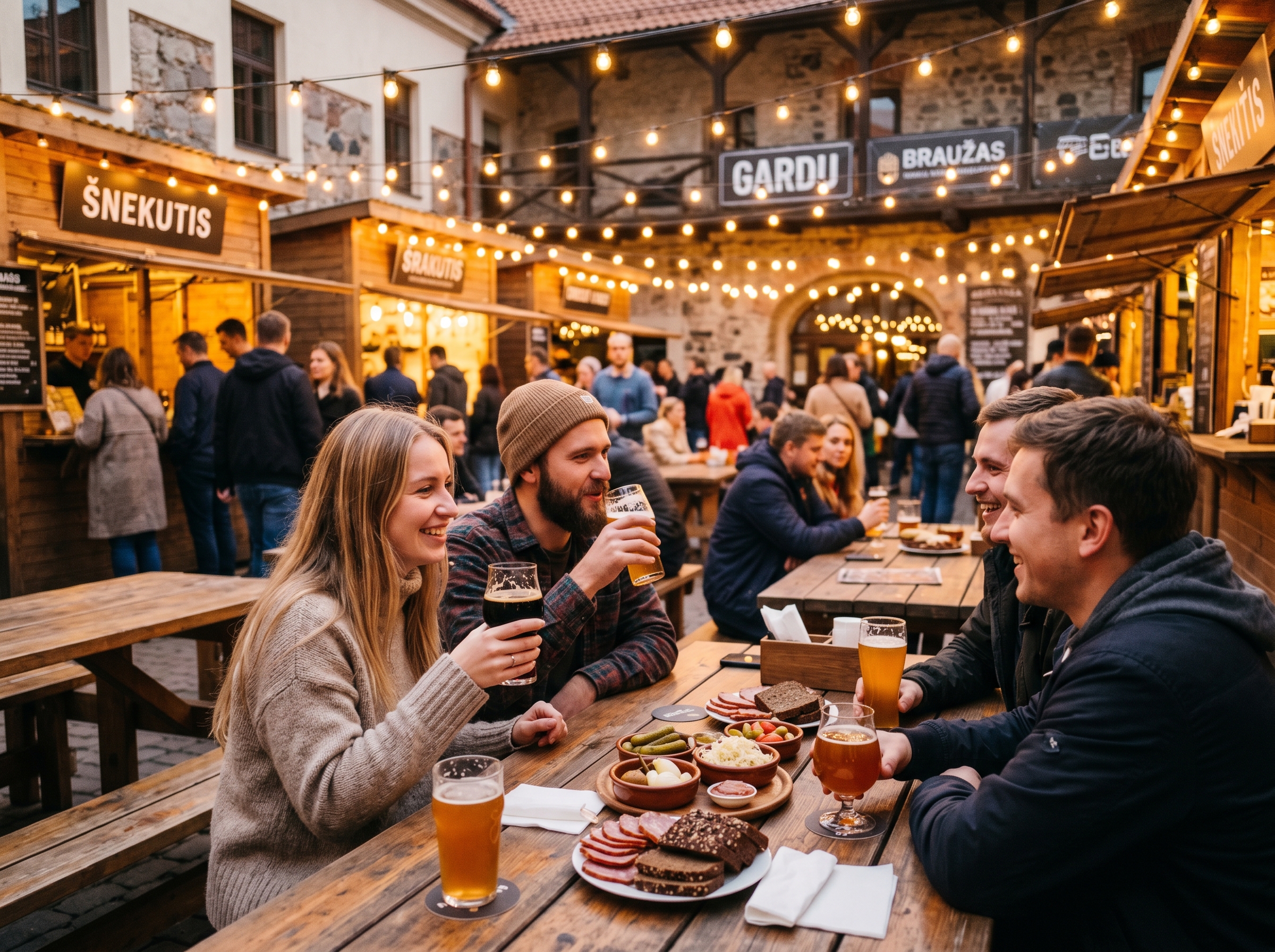
Lithuania has a brewing heritage stretching back to the Middle Ages, and the modern craft beer renaissance has taken root enthusiastically in Vilnius. Several times a year, the city hosts dedicated street food and craft beer festivals — open-air events that draw thousands of visitors and showcase the best of both worlds. Long communal tables fill up fast as festival-goers pair hoppy IPAs from Vilnius breweries with plates of smoked ribs, pickled cucumbers, and dark rye bread topped with lard and garlic.
The pairing philosophy here is refreshingly unpretentious. There are no sommelier-style tasting notes or elaborate pairing menus — just good people, honest food, and cold, well-crafted beer. It's a philosophy that reflects the broader spirit of Vilnius gastronomy: quality without pretension, tradition without stagnation.
Tips for Exploring Vilnius Street Food
- Go early at the markets: The best vendors sell out fast. Arrive at Halės Market by 9am on weekends for the widest selection.
- Follow the locals: The stalls with queues of Lithuanian grandmothers are always worth waiting for.
- Bring cash: Many street vendors still prefer cash, though card payments are becoming more common.
- Visit in spring and summer: Outdoor markets and festivals are at their peak from May through September, offering the freshest seasonal produce.
- Be adventurous: Don't stick to what you know. Try the šaltibarščiai, grab a kibinas, and embrace the unexpected.
Vilnius is a city that rewards the curious traveller. Its street food scene is living, breathing proof that the best way to understand a culture is through its food — the flavours it preserves, the stories it tells, and the people who keep those traditions alive. Next time you visit, put down the restaurant guide and follow your nose. You won't be disappointed.