The Crimson Summer: Discovering Lithuania's Most Refreshing Dish - Šaltibarščiai
 nikita.salov@seowriting.ai
When summer arrives in Vilnius and the heat settles over the cobblestone streets, the city's kitchens transform into cool sanctuaries of preparation. It is in this season that one of Lithuania's most distinctive culinary treasures emerges: Šaltibarščiai, the cold beet soup that has nourished generations through the warmest months of the year. Unlike the hearty, steaming soups of winter, this crimson elixir is a celebration of freshness, simplicity, and the profound connection between the earth and the table.
The Summer Ritual: Why Šaltibarščiai Rules the Season
In Lithuania, the arrival of Šaltibarščiai season signals more than just a change in the menu—it is a cultural shift. As temperatures climb, this cold soup becomes as essential to the daily rhythm as the long twilight evenings that characterize the Baltic summer. The soup is not merely food; it is a ritual of refreshment, a moment of respite, and a testament to the Lithuanian people's deep understanding of seasonal eating.
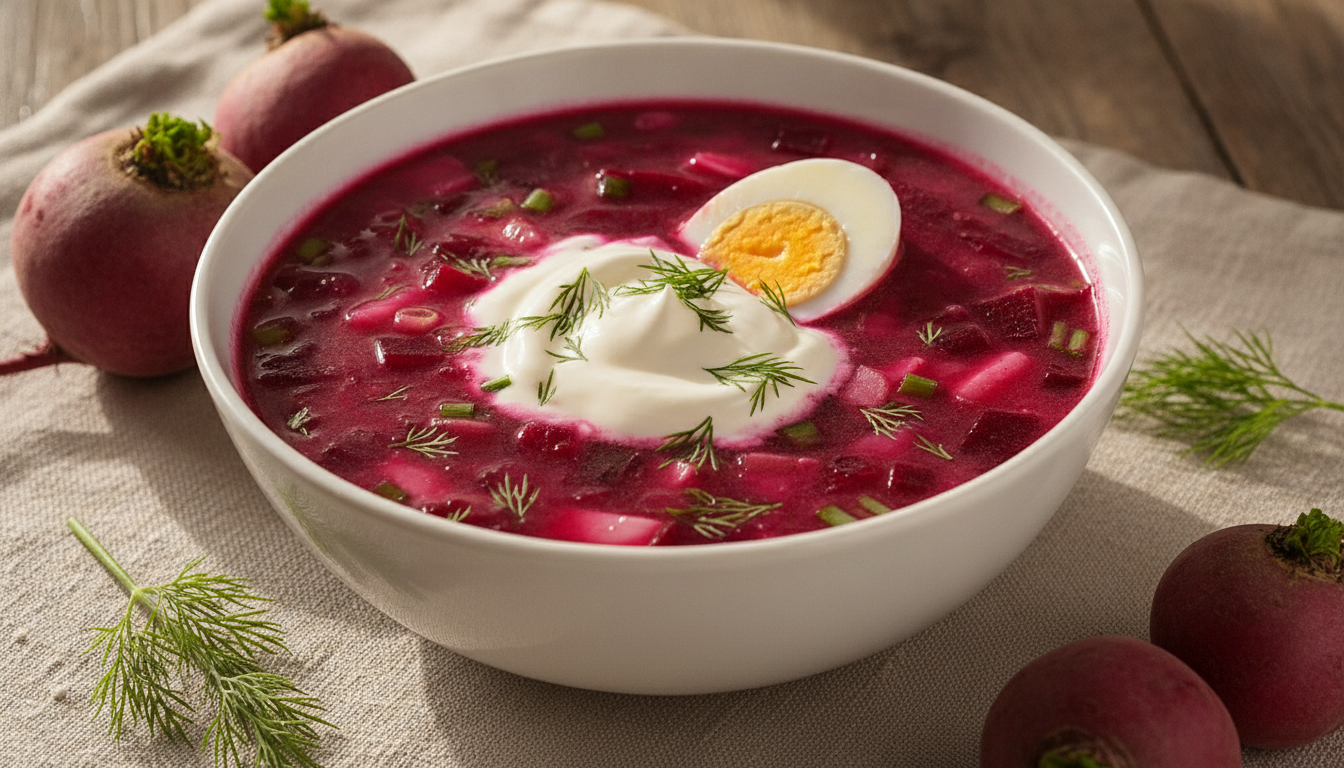
What makes Šaltibarščiai unique in the world of cold soups is its bold, unapologetic flavor profile. While French gazpachos are delicate and subtle, this Lithuanian creation announces itself with pride. The deep crimson color alone speaks of its power—a visual declaration that something serious and satisfying is about to be consumed. This is not a light appetizer; it is a complete meal, substantial enough to serve as lunch or dinner on even the warmest days.
The Foundation: Beets and the Ancient Art of Preservation
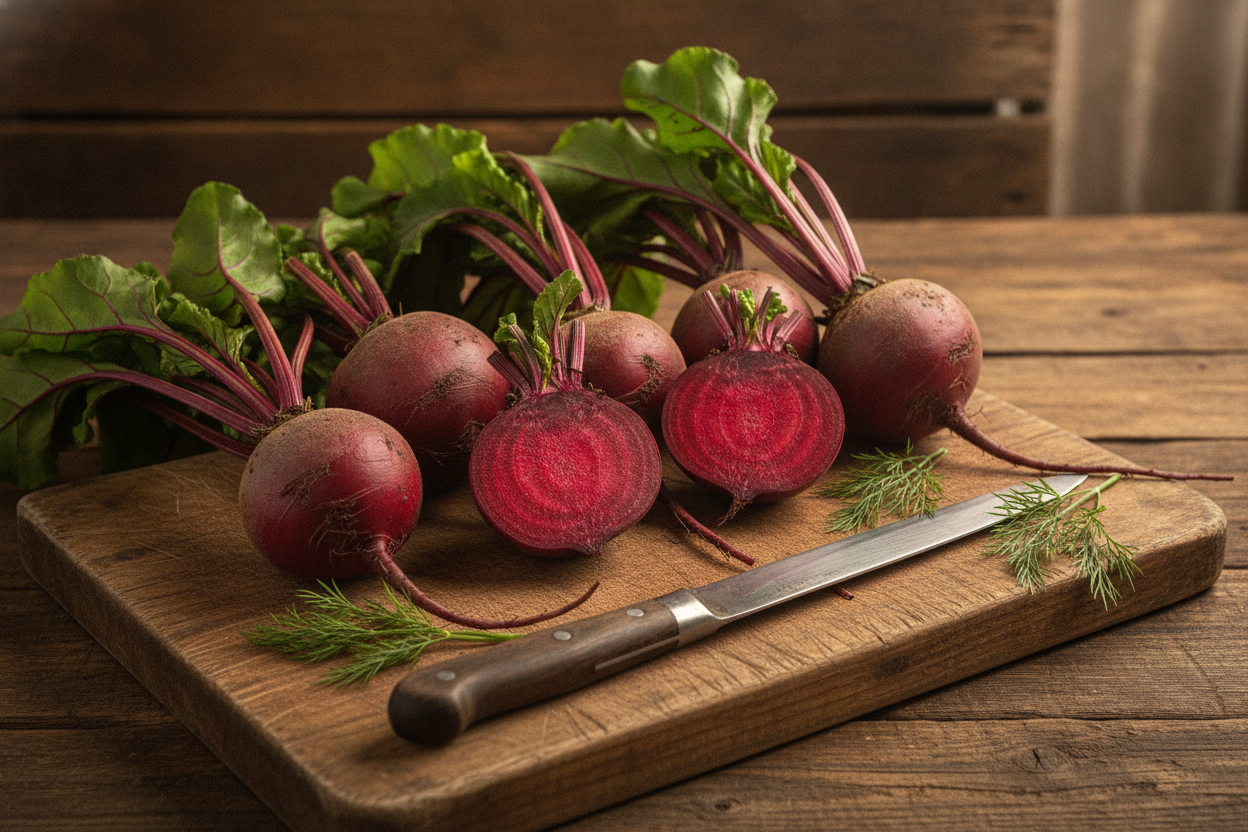
The story of Šaltibarščiai begins in the garden, where beets have grown in Lithuanian soil for centuries. These humble root vegetables, with their earthy sweetness and vibrant color, are the soul of the soup. But there is more to this story than simply boiling beets in water. The traditional preparation involves a careful balance of fermentation and freshness, a technique that reflects the Lithuanian heritage of food preservation.
The beets are boiled until they yield to a fork, their skin slipping away to reveal the brilliant crimson flesh beneath. Some cooks add beet kvass—a fermented beet liquid that adds depth and complexity—while others rely solely on the natural juices of the vegetable. The addition of fermented elements gives Šaltibarščiai its subtle tang, a sourness that refreshes the palate on hot days. This is food born of necessity, when ice was unavailable and only fermentation could preserve the bounty of summer.
The Balance: Vegetables, Eggs, and Precision
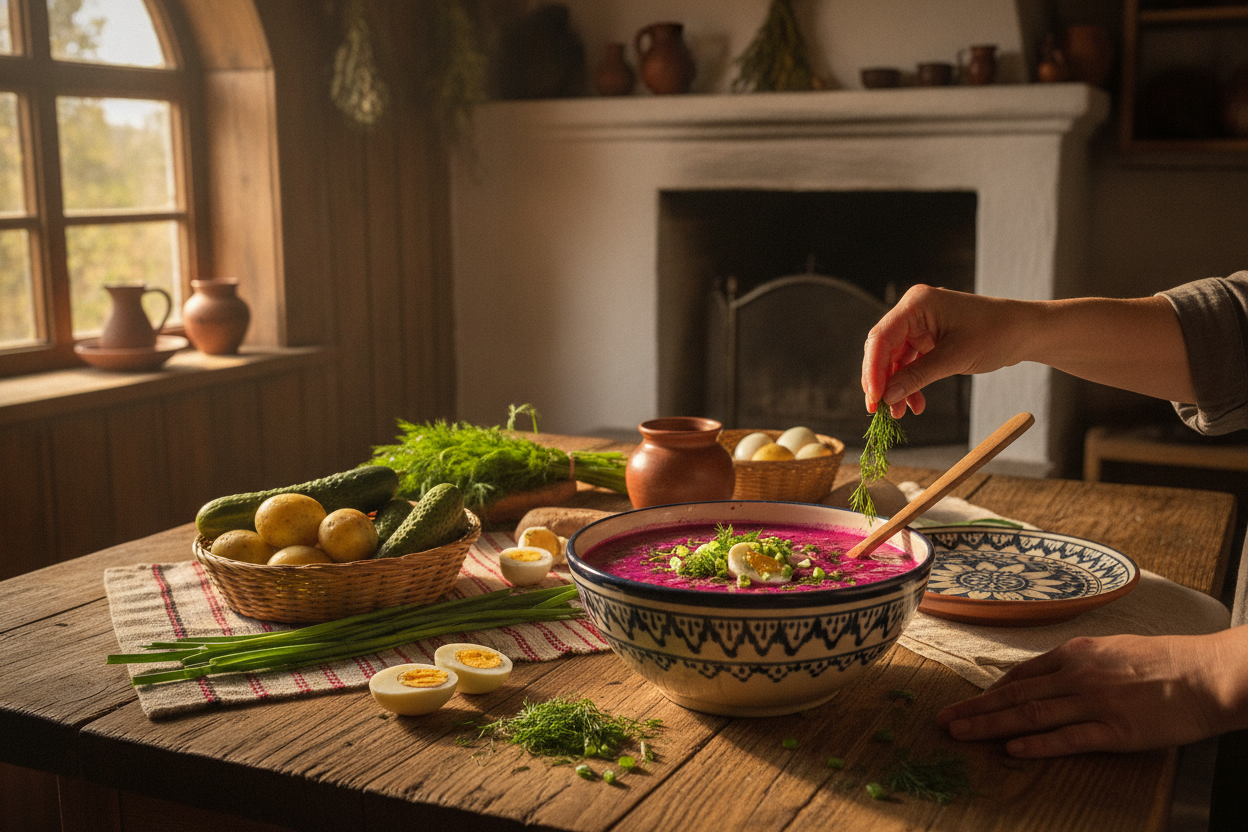
What elevates Šaltibarščiai from a simple vegetable soup to a complete culinary experience is the careful assembly of its components. Beyond the beet base, the soup includes diced potatoes that have been boiled until tender, crisp cucumber that adds a cooling freshness, and pearl onions that provide subtle sweetness. Each element is distinct, each contributes its own character, yet together they create perfect harmony.
The hard-boiled egg is not a mere garnish; it is an essential player. Sliced thin and floated atop the soup, it adds protein and richness, transforming what might be a light starter into a satisfying meal. Traditional cooks take pride in the quality of their eggs—a perfectly cooked yolk, still tender and yielding, is a mark of respect for the dish. Fresh dill, that unmistakable Baltic herb, is scattered with a generous hand, bringing an aromatic freshness that complements the earthiness of the beets.
The Crowning Glory: Sour Cream and the Art of Temperature
If the soup itself is the body, then the sour cream is the crown jewel. A generous dollop of cold, thick Lithuanian sour cream (the kind with a fat content that borders on decadent) is stirred into the soup at the last moment, creating a swirl of white against the deep red. This is not merely decoration; the cool cream cuts through the richness of the beet and egg, providing a counterpoint that makes every spoonful a revelation.
The temperature of Šaltibarščiai is as important as its flavor. Served ice-cold, often from a soup that has chilled overnight in the refrigerator, it is the antidote to sweltering summer heat. Yet it is never so cold that the flavors become muted; the chill simply heightens the perception of freshness, making each ingredient more vivid. This is why Vilnius cooks insist on proper preparation—rushing the chilling process, or worse, adding ice cubes (a travesty in the eyes of traditionalists), diminishes the soup's subtle complexity.
Regional Variations Across Lithuania
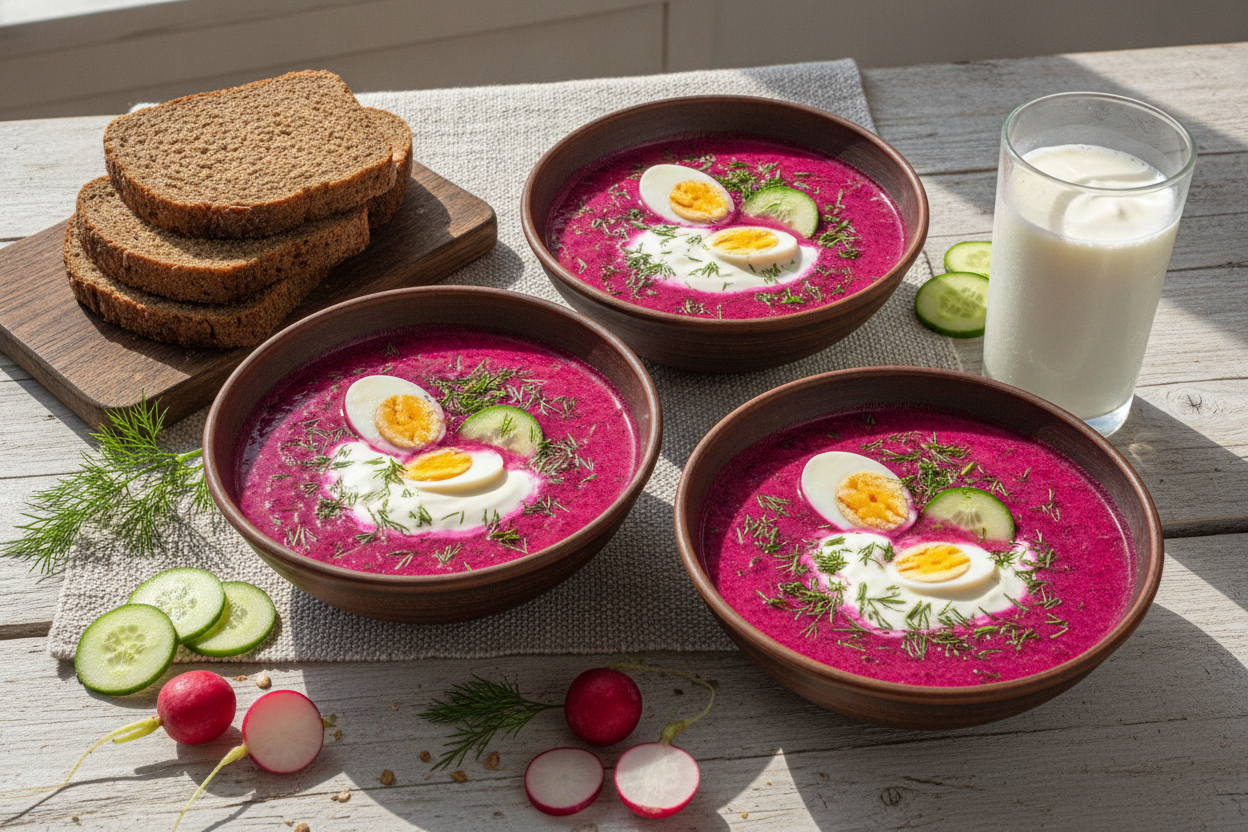
While the core components of Šaltibarščiai remain consistent across Lithuania, regional variations tell stories of local pride and family tradition. In some regions, the soup is thinner and more broth-like, allowing the clean flavors of each ingredient to shine. In others, it is almost thick enough to be a salad, with the vegetables diced fine and the liquid serving merely as a medium. Some families swear by the addition of fresh radishes, while others consider this heretical.
The most contentious question in Lithuanian culinary circles is whether to include kefir, that tangy fermented milk drink, in the soup. Purists argue it muddies the clarity of flavor, while modernists insist it adds a complexity that enriches the whole. These debates, conducted with passionate intensity in Lithuanian kitchens and cafes, are a testament to how deeply this simple soup is woven into the cultural fabric of the nation.
Where to Find the Best Šaltibarščiai in Vilnius
For those seeking the authentic Vilnius experience, several restaurants have become pilgrimage sites for Šaltibarščiai devotees. Forto Dvaras, located on the city's outskirts, serves versions that recall the soup as it was made in countryside farmhouses generations ago. The bowls are large, the portions generous, and the sour cream is so thick it barely swirls into the soup.
Trijų Dangun (meaning "Three Heaven"), situated in the heart of the Old Town, takes a more refined approach, plating the soup with careful attention to presentation while maintaining the integrity of the traditional recipe. Meanwhile, humble cafes and small restaurants throughout the city serve Šaltibarščiai that is just as authentic and often more affordable—a reminder that this dish belongs to all Vilnius, not just the tourist-laden establishments.
The Modern Home Cook's Guide
- Choose quality beets: Deep red varieties with a sweet, earthy flavor are ideal. Farm-sourced beets are preferred by traditionalists.
- Ferment when possible: If making beet kvass, begin at least a few days in advance. This step is optional but deeply rewarding.
- Chill overnight: The flavors develop and meld beautifully when the soup sits in the refrigerator overnight.
- Fresh herbs matter: Use fresh dill only—dried simply cannot capture the same aromatic essence.
- Don't skimp on sour cream: Use the full-fat, thick variety. This is not a place for low-fat compromises.
Šaltibarščiai and the Soul of Summer
To eat a bowl of Šaltibarščiai on a warm Vilnius afternoon is to participate in a ritual that stretches back through centuries. It is to taste the earth of Lithuania, the skill of generations of cooks, and the profound understanding that food is never merely sustenance—it is culture, memory, and identity served in a bowl.
As climate change threatens to alter the seasons we have always known, dishes like Šaltibarščiai take on new significance. They remind us of the importance of seasonal eating, of honoring the gifts that each time of year provides, and of maintaining traditions that connect us to the land and to each other. The next time summer heat descends upon Vilnius, seek out a bowl of this crimson treasure. Let its cool, earthy, tangy depths refresh not just your body, but your spirit as well.