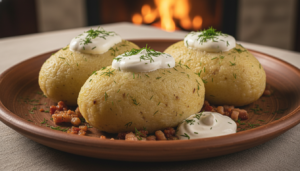
The Art of the Lithuanian Cepelinai: A Deep Dive into Vilnius's Most Iconic Dish
 nikita.salov@seowriting.ai
In the heart of the Baltic, where the winding cobblestone streets of Vilnius tell stories of grand dukes and resilient traditions, there is a scent that defines the Lithuanian soul. It is the heavy, comforting aroma of simmering potatoes, savory meat, and rendered fat. This is the scent of Cepelinai. Named for their striking resemblance to the massive Graf von Zeppelin airships of the early 20th century, these "zeppelins" are more than just a national dish; they are a culinary monument. In Vilnius, Cepelinai represent the ultimate comfort food, a dish that bridges the gap between the rustic, hardworking spirit of the countryside and the sophisticated, historical pulse of the capital city.
The Secret is in the Spuds
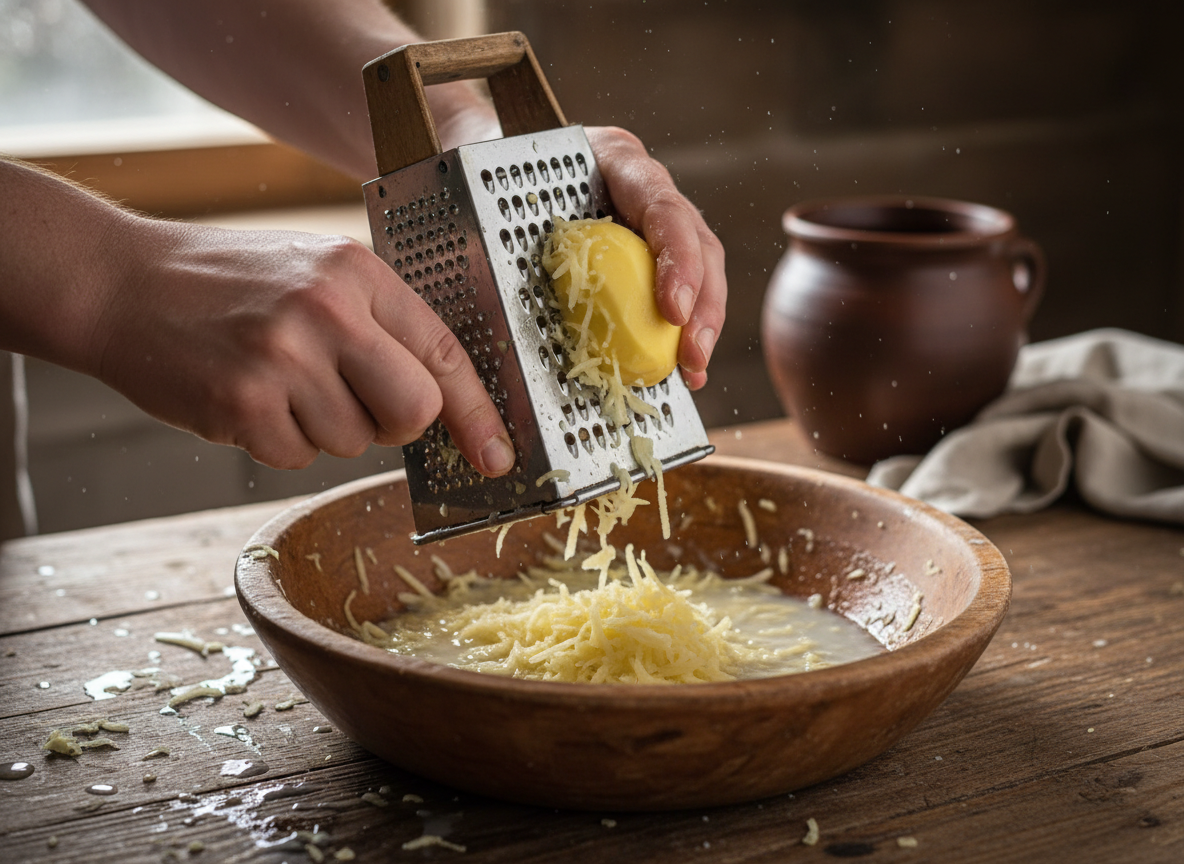
The foundation of any great Cepelinai lies in the humble potato, but to the uninitiated, the complexity of the preparation is often a surprise. Not just any potato will suffice; to achieve the perfect texture—elastic, slightly translucent, and tender—one must use high-starch varieties. The process is a labor of love that begins with the "tarkis," or the grating process. Traditionally, this was a rhythmic, muscle-aching task performed by hand on a fine grater, producing a watery, snowy pulp.
This pulp is then squeezed through a cheesecloth with immense pressure until it is bone-dry. The liquid collected is not discarded; it is allowed to settle so the precious natural potato starch can be reclaimed and mixed back into the dough. This raw potato mass is then combined with a specific ratio of riced, boiled potatoes. This dual-texture approach is the secret to the Cepelinai’s unique bite—a delicate balance between the earthy grit of raw starch and the pillowy softness of cooked mash.
Shaping the Legend
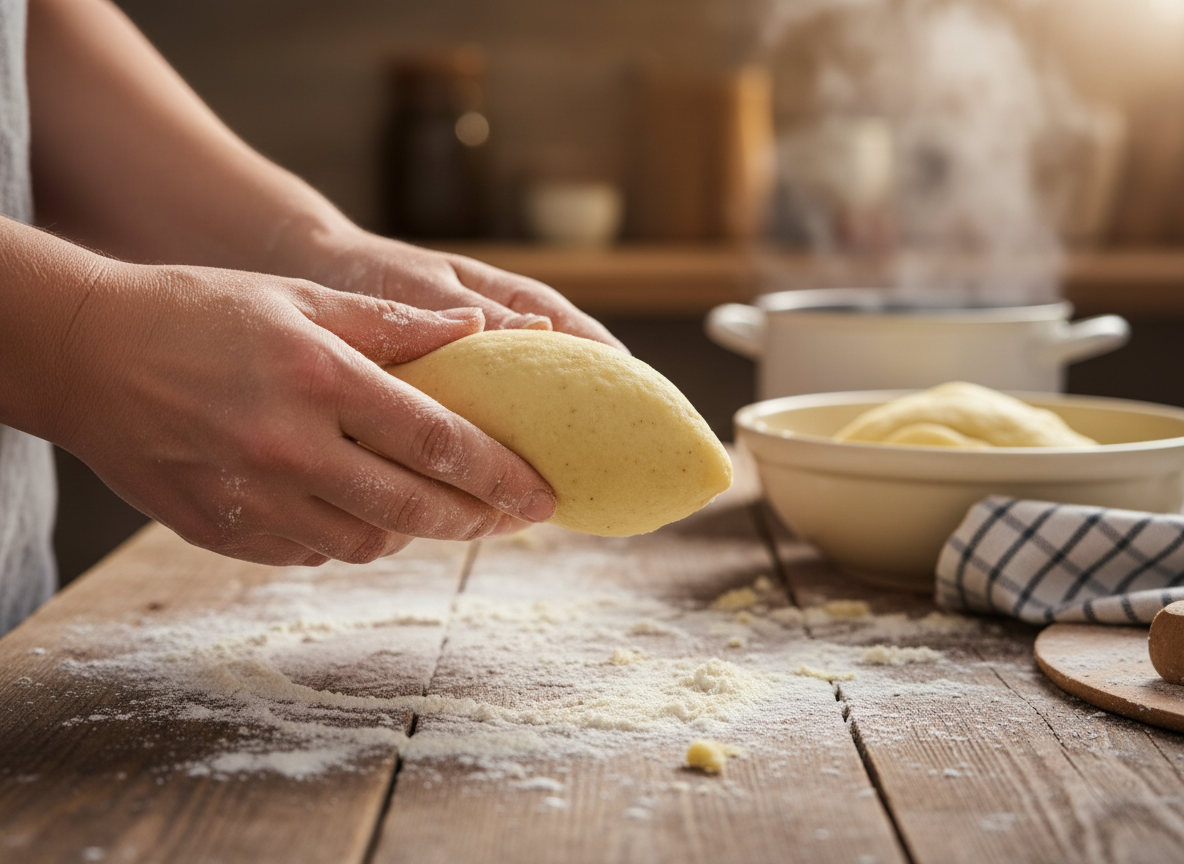
Once the dough has reached the correct consistency, the artistry of shaping begins. A handful of the potato mixture is flattened in the palm, and a generous spoonful of seasoned filling is placed in the center. While curd or mushrooms are popular variants, the classic Vilnius Cepelinas is almost always stuffed with a savory mixture of ground pork or beef, seasoned simply with salt, pepper, and perhaps a hint of marjoram or sautéed onions.
The cook then expertly folds the dough over the filling, rolling it between their palms to create the iconic aerodynamic oval. This stage requires a master’s touch; the seal must be perfectly seamless. Any crack or thin spot in the potato wall could cause the "zeppelin" to disintegrate in the boiling water, turning a masterpiece into a potato soup. Watching a seasoned Lithuanian chef shape these dumplings is like watching a sculptor at work—each movement is precise, intentional, and born of years of practice.
The Finishing Touch
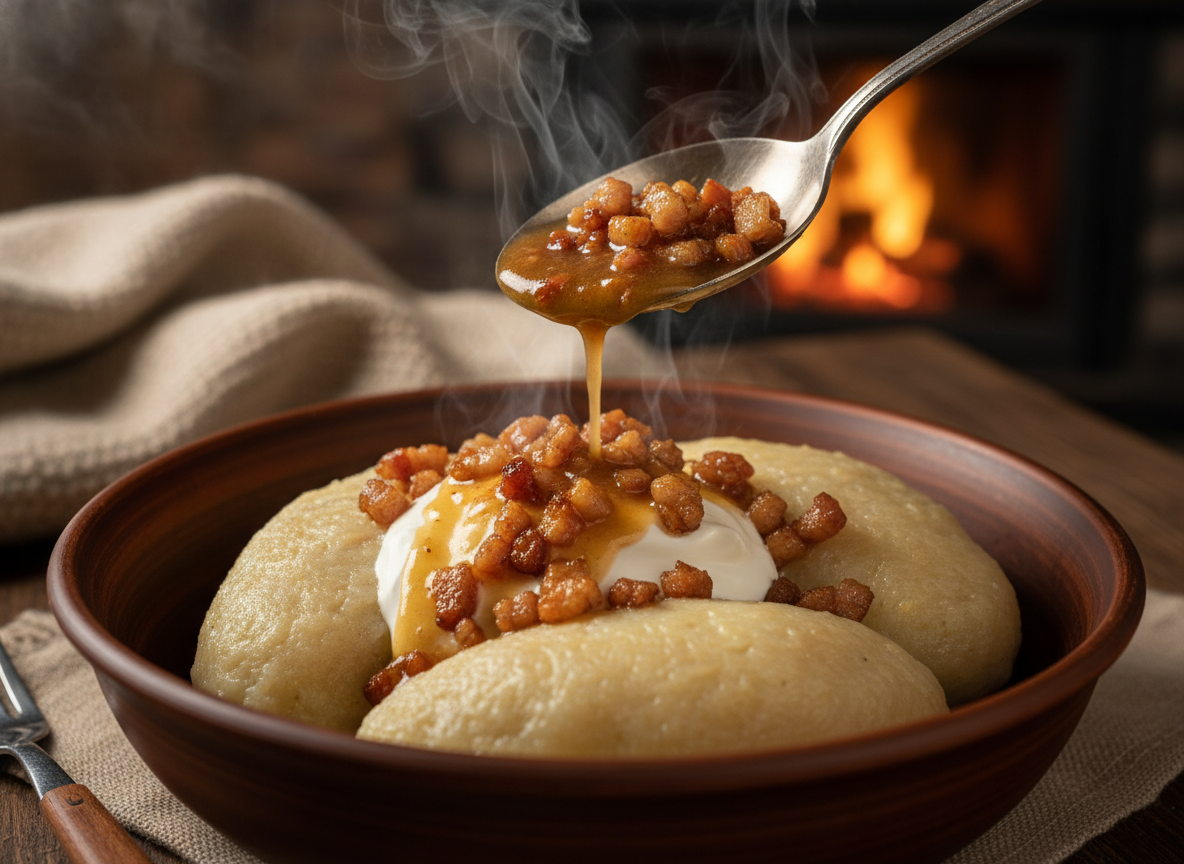
A Cepelinas served plain is an unfinished story. The dish only truly comes alive when it is crowned with its traditional accompaniments: "spirgučiai" and a generous dollop of heavy sour cream. Spirgučiai are small, crispy bits of smoked bacon or pork fat, sautéed with finely chopped onions until they are golden, fragrant, and glistening. This salty, smoky crunch provides the necessary textural contrast to the soft, yielding body of the potato dumpling.
The addition of thick, high-fat Lithuanian sour cream adds a cooling acidity that cuts through the intense richness of the pork and potato. When the hot fat of the spirgučiai meets the cold cream, it creates a marbled sauce that coats every bite. It is a heavy, unapologetic indulgence that warms the body from the inside out, making it the perfect antidote to a brisk Baltic evening.
Where to Find the Best Cepelinai in Vilnius
For those wandering the streets of Vilnius in search of the perfect plate, several establishments have become legendary for their dedication to the craft. "Etno Dvaras," located on the bustling Pilies Street, is perhaps the most famous destination for visitors. They offer a wide variety of fillings and have been certified by the Culinary Heritage Fund for their commitment to traditional recipes.
For a more rustic and intimate experience, "Senoji Trobelė" on Naugarduko Street offers an atmosphere that feels like stepping into a Lithuanian farmhouse. Their Cepelinai are renowned for their authentic, "home-made" texture. Meanwhile, "Amatininkų Užeiga" in the Town Hall Square provides a refined take on the dish, proving that even in a cosmopolitan city, the humble potato dumpling remains the king of the menu.
Conclusion
To eat a Cepelinas in Vilnius is to consume a piece of Lithuanian history. It is a dish born of the land, perfected by generations of grandmothers, and preserved with pride in the nation’s capital. While it may be a humble potato dumpling in ingredients, in spirit, it is a grand celebration of Baltic identity. Whether you are a first-time visitor or a lifelong resident, the first cut into a steaming, sauce-covered Cepelinas is always a moment of pure, culinary magic.