A Taste of Vilnius: Discovering the City Through Its Authentic Flavors
Vilnius is often praised for its baroque skyline and winding Old Town streets, but the city is equally memorable for what arrives at the table. Its food culture is shaped by deep seasonal rhythms, centuries of trade, and a practical respect for local ingredients. For visitors and locals alike, exploring Vilnius through gastronomy reveals a city where comfort, craftsmanship, and heritage meet in every course.
One of the most distinctive qualities of Vilnius cuisine is its connection to the land. Forest mushrooms, berries, root vegetables, rye, dairy, and preserved flavors still influence menus across the city. Even when chefs present these ingredients in a more modern way, the foundations remain recognizable: nourishment, balance, and a sense of place. This blend of old and new is what makes the local dining scene so compelling.
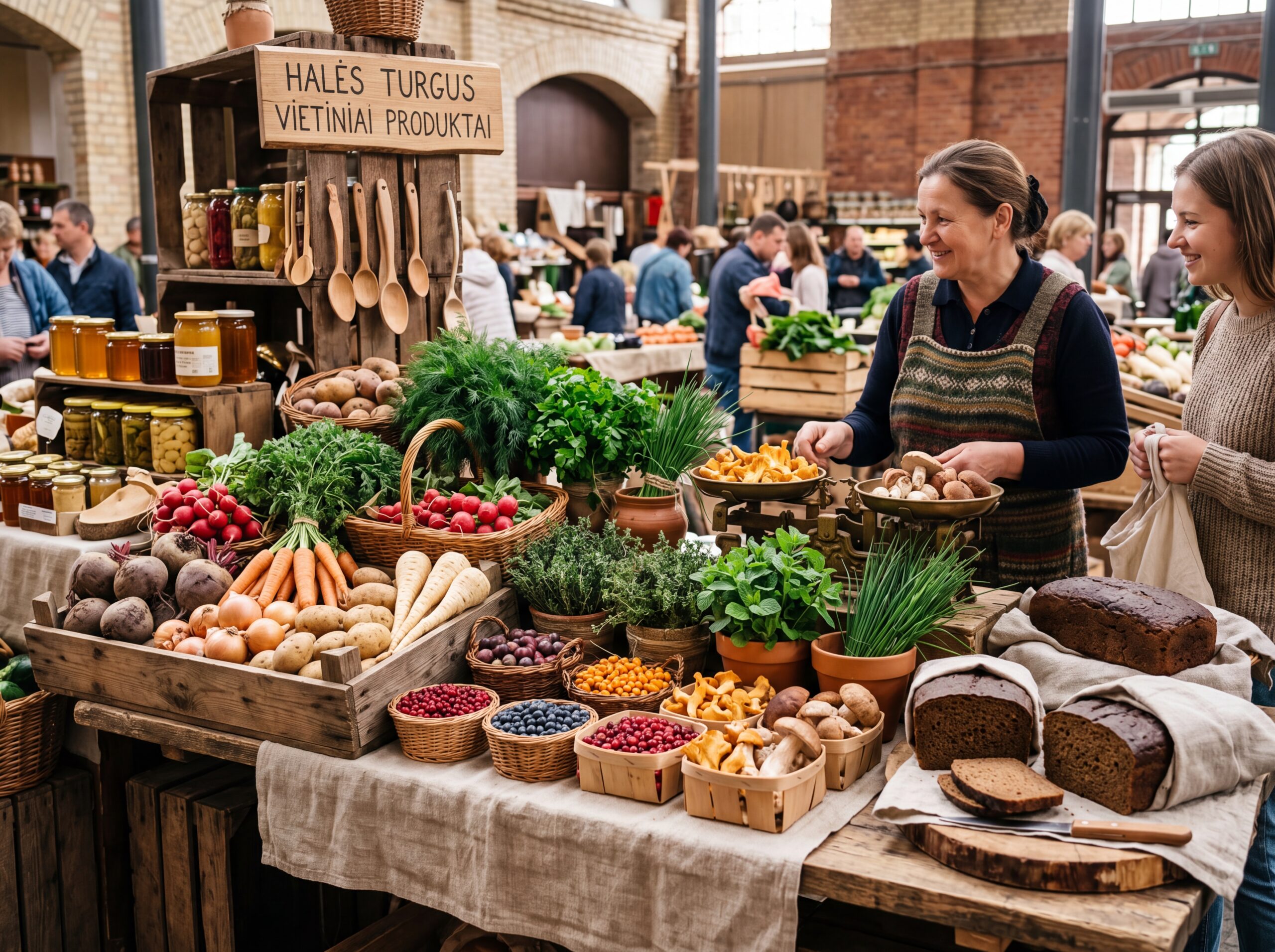
A great place to begin any culinary journey in Vilnius is with the ingredients themselves. Local markets and independent producers help define the character of the city’s food scene. You can see the seasonal palette clearly in stalls filled with earthy produce, fragrant herbs, dark loaves, honey, pickled vegetables, and handcrafted specialties. These are not just raw materials; they are the flavors that continue to shape both everyday cooking and restaurant innovation.
Traditional Lithuanian dishes remain central to the experience. Travelers often seek out beloved classics such as cepelinai, kugelis, cold beet soup, and hearty meat or mushroom-based plates. What is changing in Vilnius is not the disappearance of these dishes, but the creativity with which they are reinterpreted. Contemporary kitchens are refining textures, reducing heaviness, and presenting familiar flavors with greater elegance while preserving their soul.
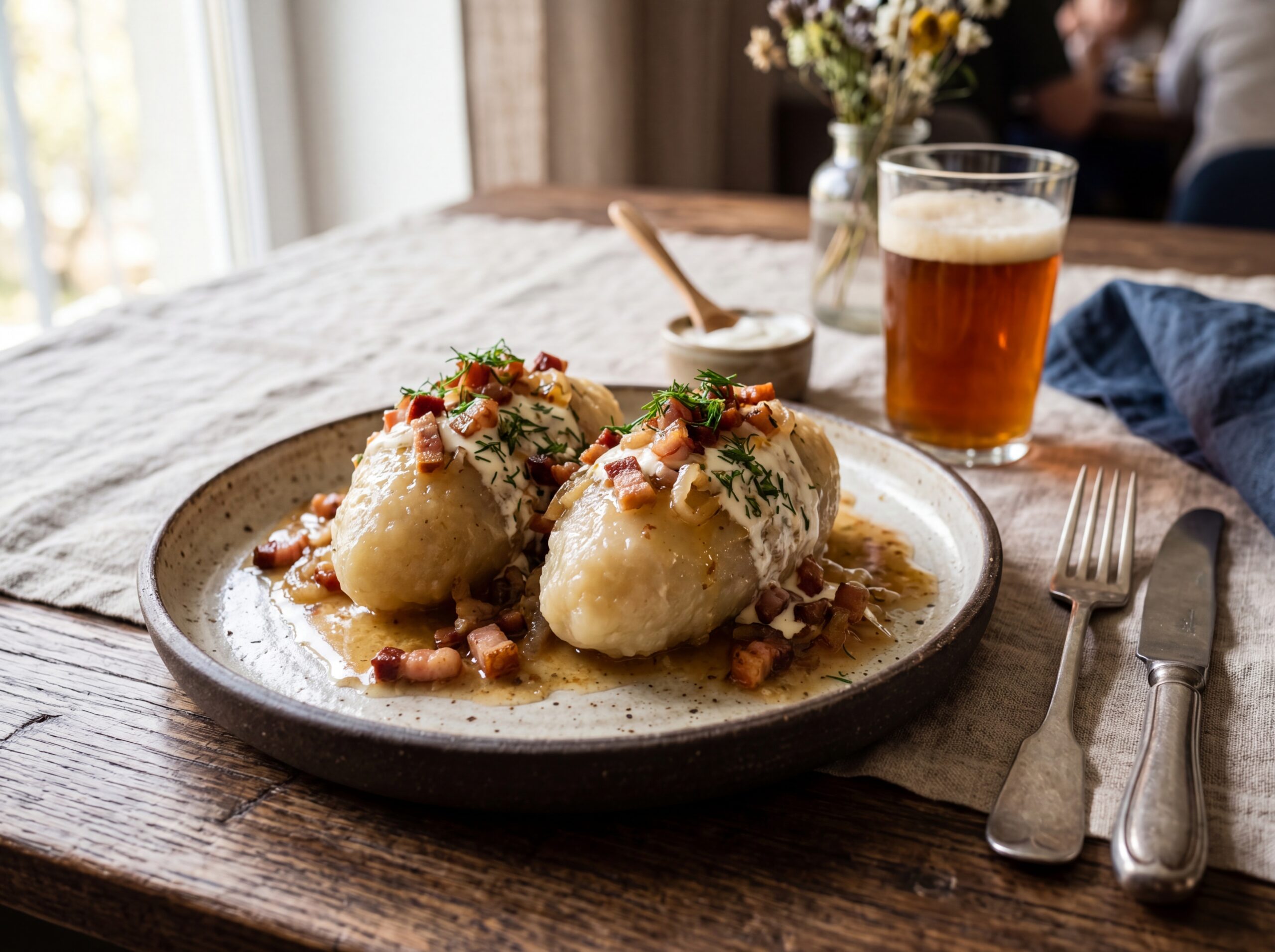
This balance between tradition and refinement gives Vilnius a strong gastronomic identity. The city does not chase food trends at the expense of authenticity. Instead, many restaurants succeed by grounding their menus in regional memory while improving technique, presentation, and sourcing. That means a meal in Vilnius can feel both historically rooted and refreshingly current, whether you are dining in a rustic tavern or a more contemporary setting.
Atmosphere also plays an important role. Food in Vilnius is rarely separated from setting. Historic interiors, candlelit dining rooms, courtyards, and centuries-old architecture can transform a meal into a cultural experience. In a city where history is always nearby, a good dinner often feels like an extension of the streets outside: intimate, layered, and quietly memorable.
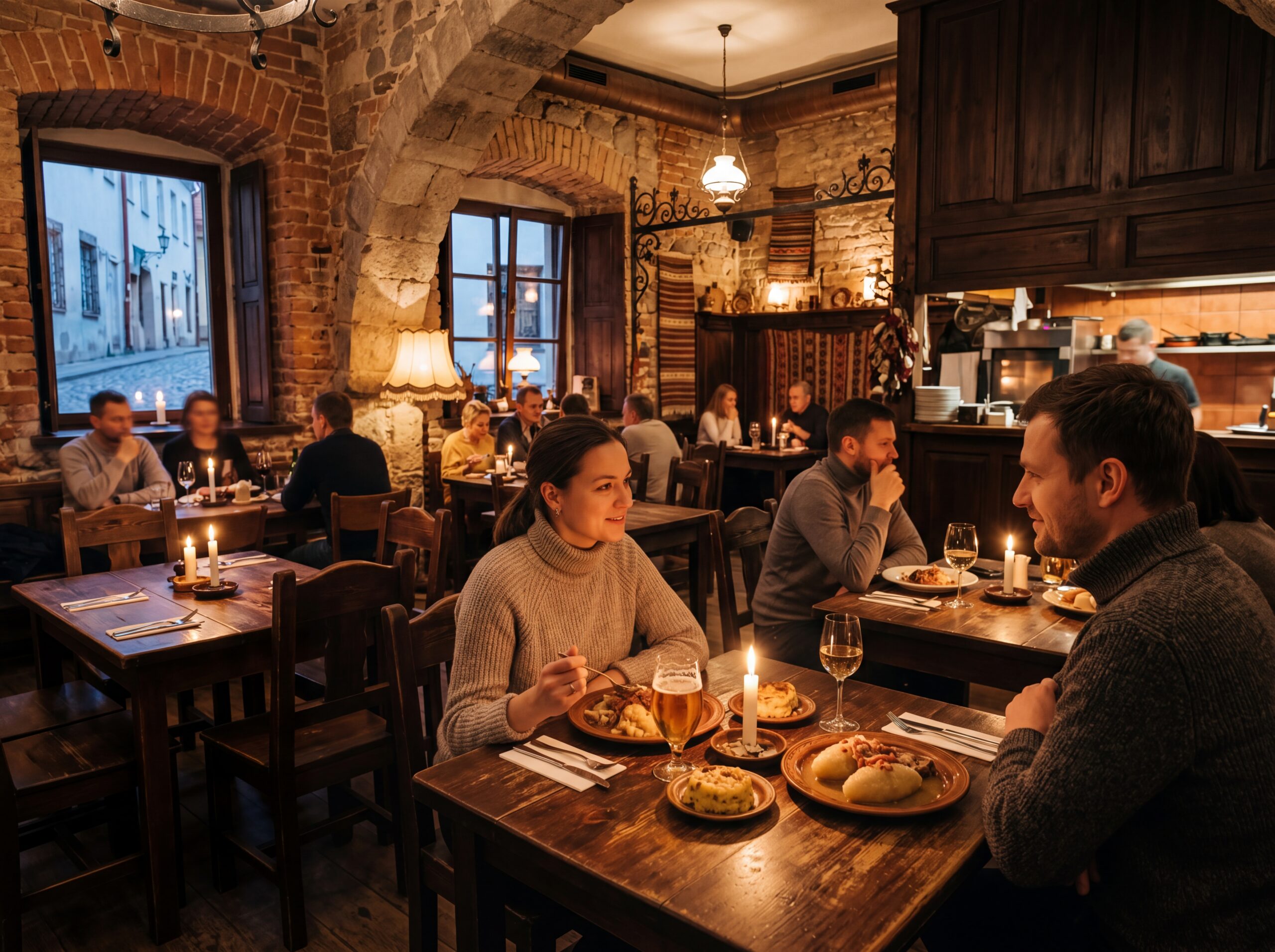
For anyone interested in Baltic food culture, Vilnius offers more than a list of dishes to try. It offers a story about resilience, seasonality, and hospitality. Its gastronomy is built not only on recipes, but on an enduring relationship with local produce, craft traditions, and communal dining. That is why the city rewards slow exploration: the more thoughtfully you eat here, the more clearly Vilnius reveals itself.
Whether you are planning a weekend visit or simply looking for a deeper understanding of Lithuanian cuisine, Vilnius is a destination worth tasting with curiosity. From market produce to refined reinterpretations of classic recipes, the city invites you to discover how heritage can remain alive, relevant, and delicious.